11 May 2024 Auroral Storm

This has been quite the spring for astronomical activity! We’ve enjoyed a total solar eclipse, and now one of the largest auroral storms in some 20 years (the last big one was the Halloween storm of October 2003). Leading up to this event was the appearance of the huge sunspot groups 3668 and 3664.
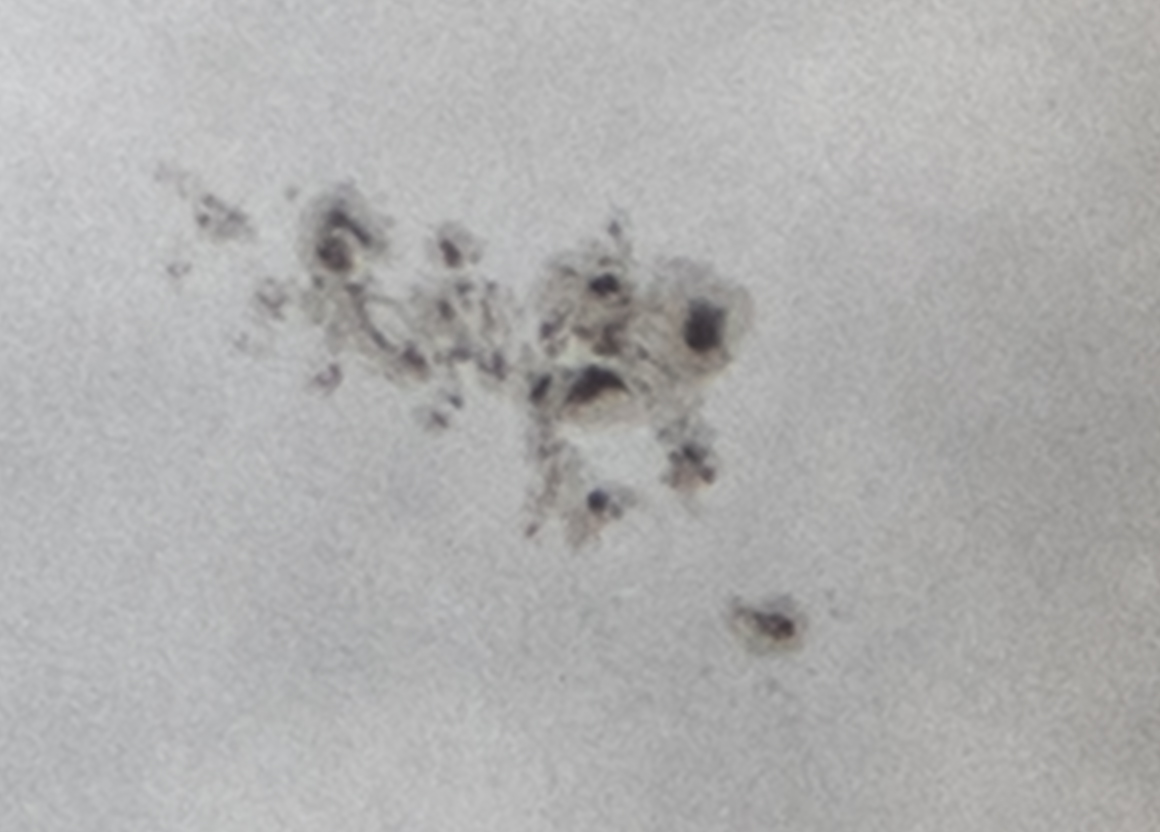
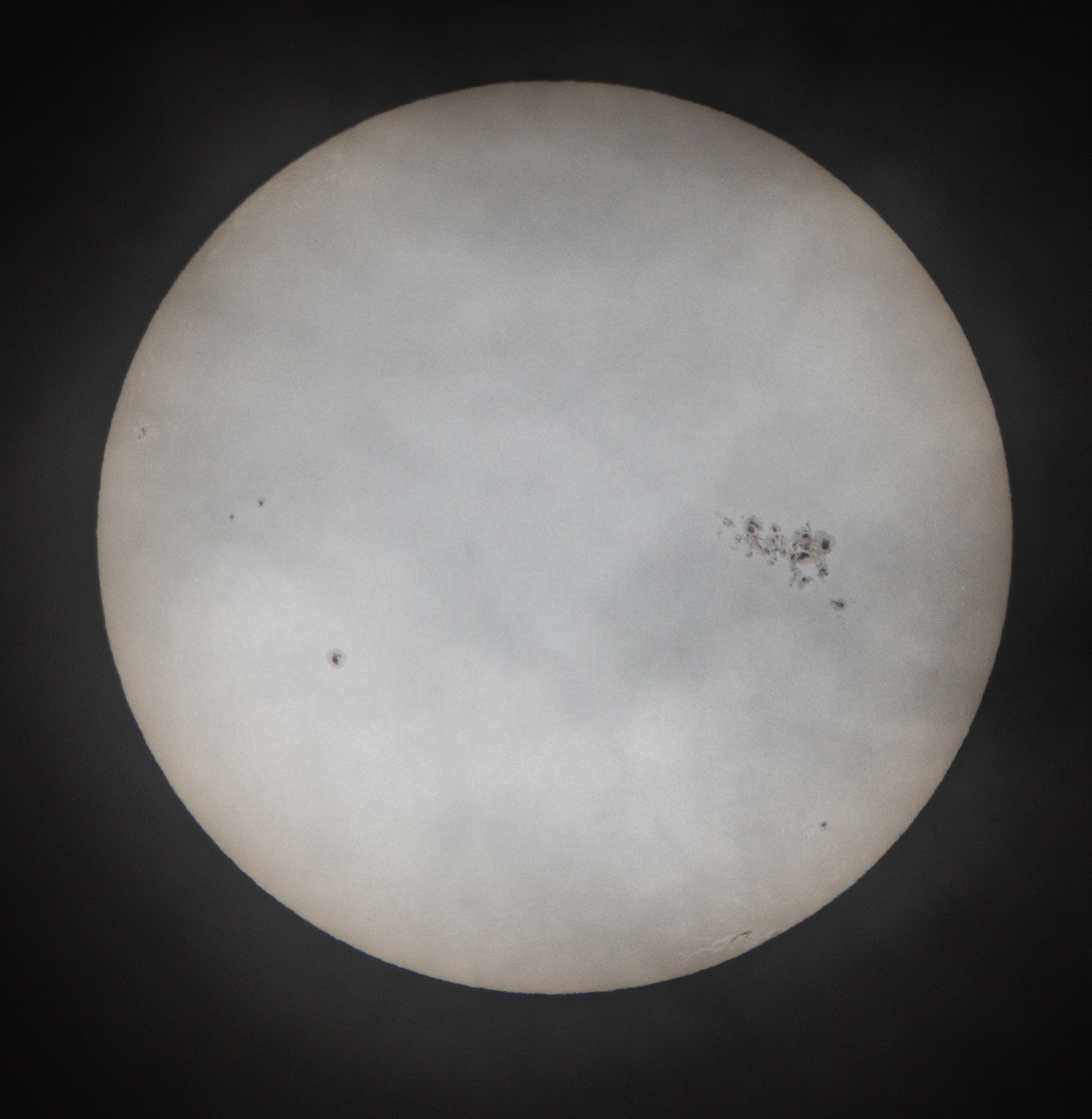
sunspot groups  3668 and 3664
The Sun showing groups  3668 and 3664

As this group started to send out massive coronal mass ejections, it became apparent that these were headed right towards Earth: a good sign for geomagnetic phenomena, storming and auroral activity. The Space Weather Prediction Center started posting advanced watches then warning as the 11th of May approached. Sure enough, several of these CMEs combined into one large mass of solar material and slammed into our planet’s magnetosphere: aurora!

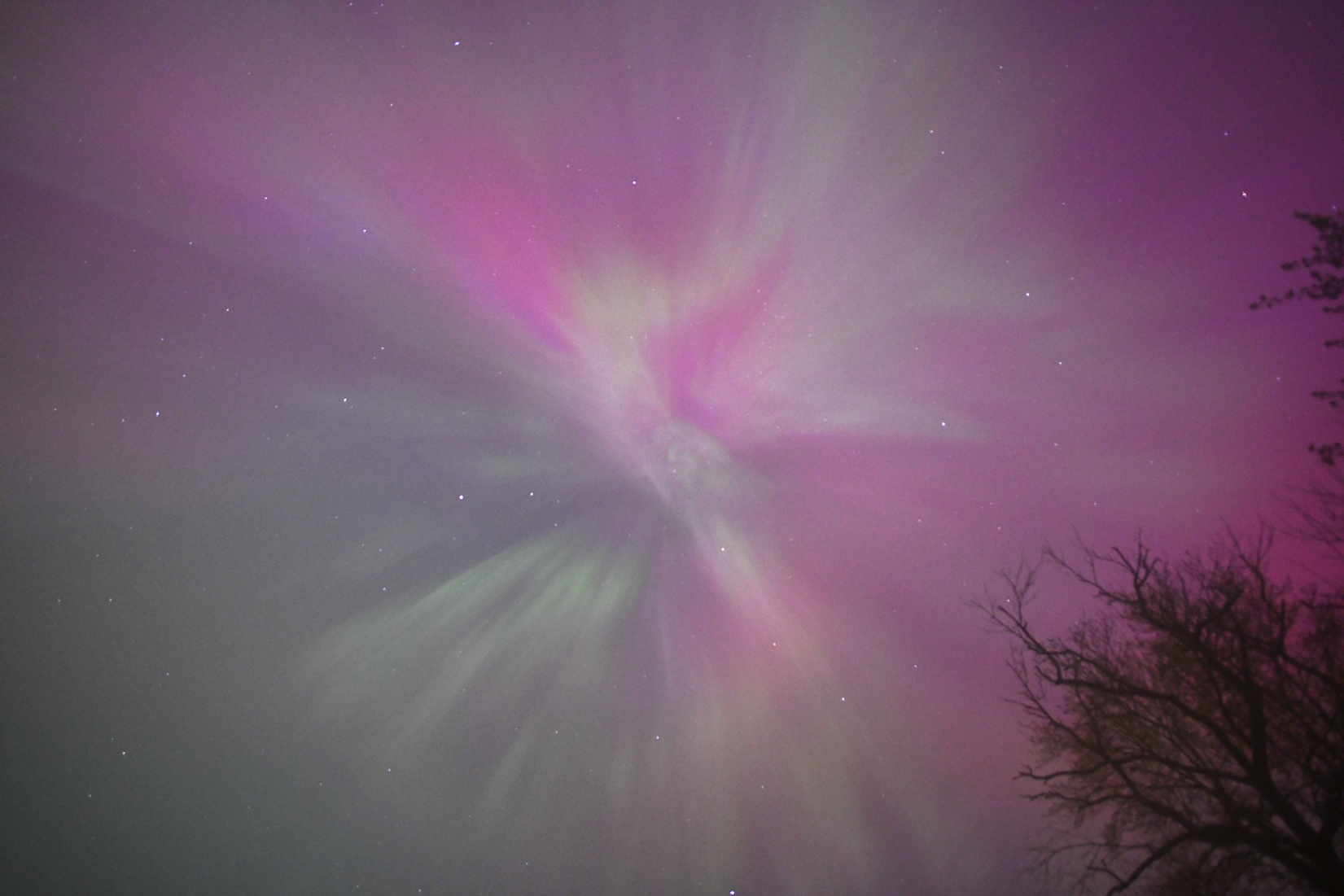
Starting out as faint greyish clouds, we knew these were not regular clouds as they danced and shifted shapes every few seconds. One moment, they would be small patches of light, the next, they would shoot up to the zenith and glow brightly before vanishing completely. As the storm progressed, color became apparent to the eye: pinks, greens, and violets started to show among a wall of color and light that filled most of the northern half of the sky.

We had set up two cameras to watch the storm progress: 20mm f/1.4 1000iso 1.3 second exposures all night long. Occasionally we’d shift their pointing direction to discover that fainter aurora was visible all the way to the southern horizon! Activity was rapid, changing constantly and colorful.
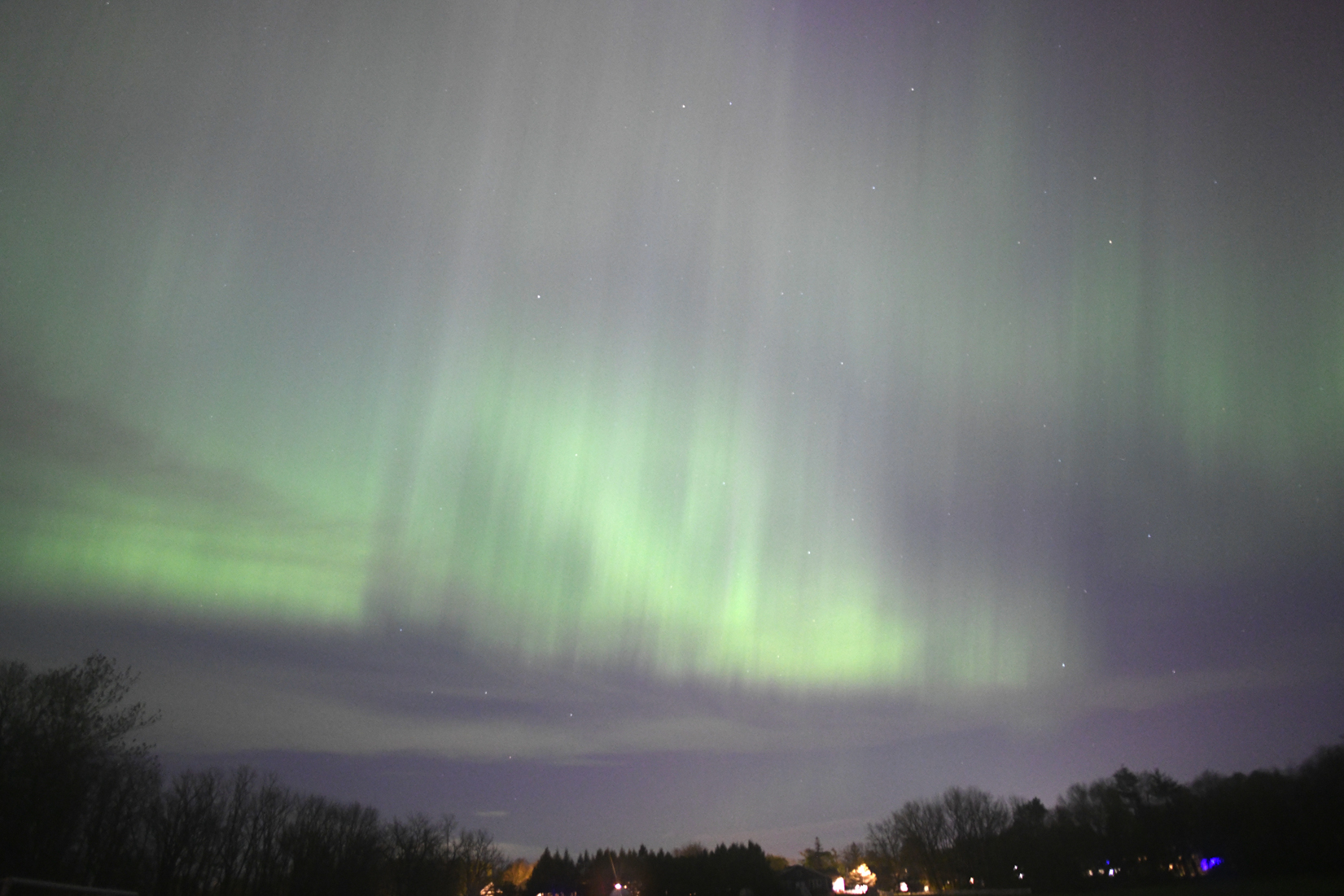
Aurora 11 May 2024
Aurora 11 May 2024
Aurora 11 May 2024
Aurora 11 May 2024 towards the Zenith

At the peak of the storm, there was considerable merging of aurora at the zenith. Below id a time lapse of this. The camera took a 1.3 second exposure with a separation of 1 second between each image. Here in the time lapse, each photo frame is 1/10 second in duration. The bright light passing through the video is a med-evac helicopter that passed overhead from Exeter Hospital.

Resistors

Magnetometer in the Making

Space weather has long been an interest of mine, and of many of the students passing through my astronomy courses. The interaction of the Sun, it solar wind and our Earth’s magnetic field are just fascinating. Living in high latitudes, we sometimes are given the pleasure of seeing some aurora. In collaboration with the University of New Hampshire, we have taken on the building of a 3 axis fluxgate magnetometer. The unit is from a kit which you can check out here at the SAM-III Magnetometer page. If you are not quite so keen on soldering small components (only a few are surface mount), then you can also order a pre-built one…. but it costs more.

Here is our progress to date in photos.

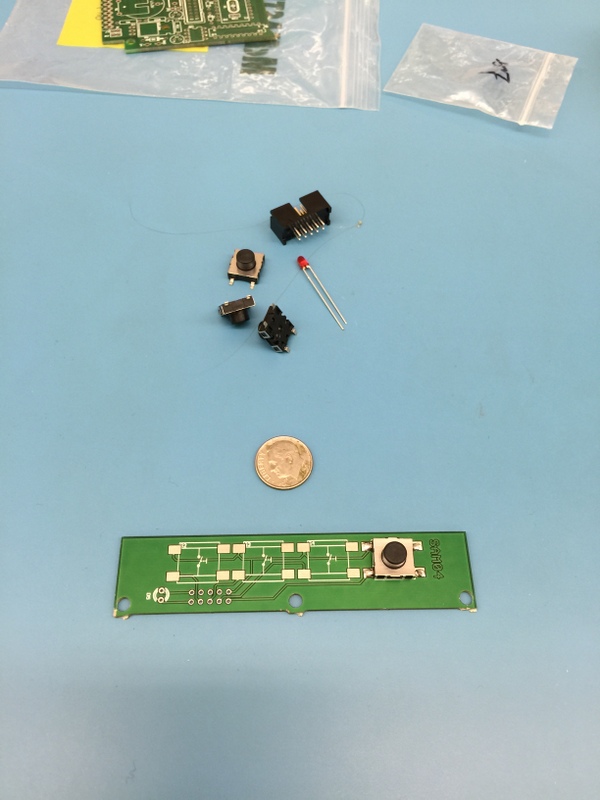
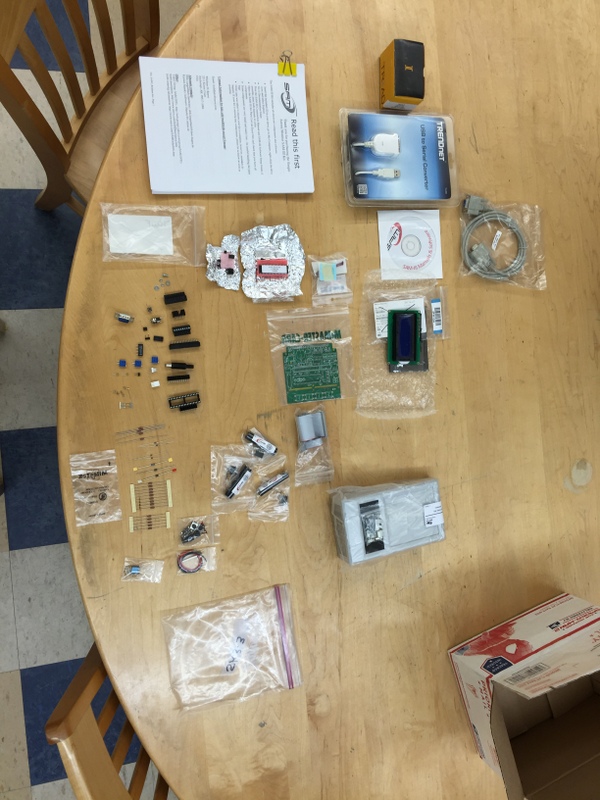
Parts and pieces

Parts and pieces! This will be the magnetometer when it is all put together!

The keyboard

This is the primary user interface: a keyboard of 4 buttons. These are the only surface mount items to worry about.

The keyboard

This is the primary user interface: a keyboard of 4 buttons. These are the only surface mount items to worry about.

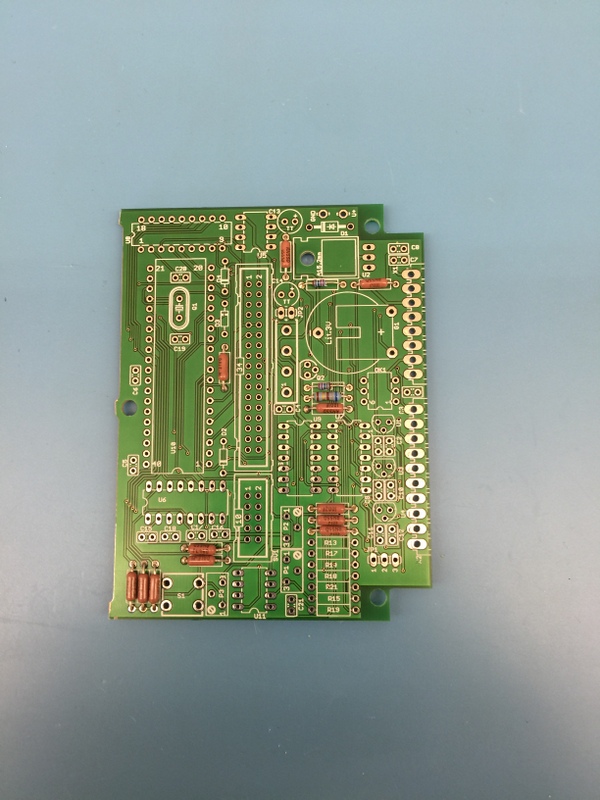
Resistors

Soldering the resistors onto the board. Next will come the capacitors and other parts.

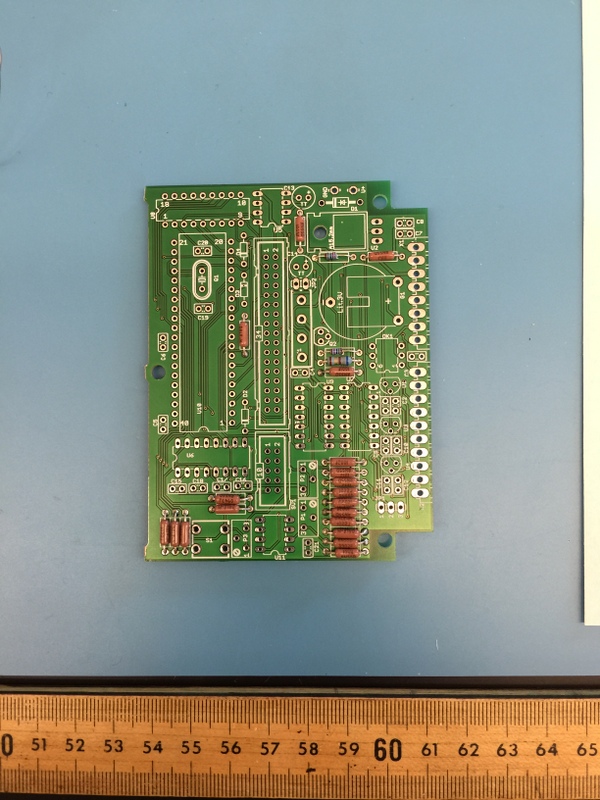
Resistors

Resistors and capacitors in place.

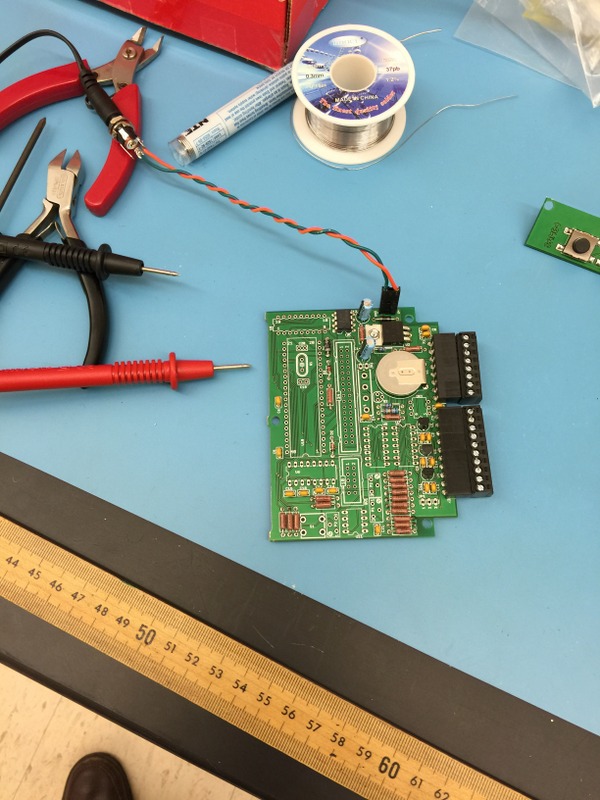
Voltage tolerance test

Resistors and capacitors in place along with voltage regulators. Here we are ready to apply power for the first time to see if the boards voltages are within tolerances.

Aurora in Iceland

Just back from a trip to Iceland to study geomagnetism and the aurora opportunities there… as well as the incredible geology. Here are some aurora images from the trip all taken with a Nikon D7000 and a variety of lenses.  Last is a daytime panoramic view of one of the glacial regions. Enjoy!

aurora-iceland-March-9-2014-2 aurora-iceland-March-9-2014-3 aurora-iceland-March-9-2014-4 aurora-iceland-March-9-2014


Glacial-Panorama-2