All images through 300mm Lens untracked.

110651
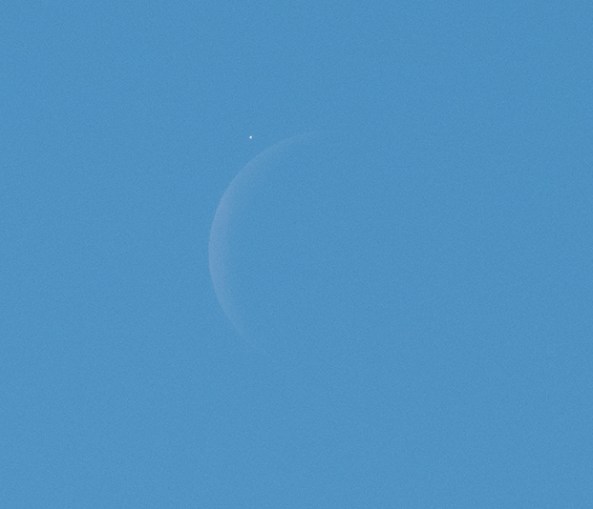
123559

124028

124306

124340

124351 JUST visible!

All images through 300mm Lens untracked.
110651
123559
124028
124306
124340
124351 JUST visible!
We have been working on improving long observing runs with the robotic telescope this past month. Asteroids are an excellent target: they move constantly relative to the background stars; Their orbital parameters change often enough to warrant close scrutiny; There are hundreds of thousands of them to study; Photometric studies are as important as astrometric studies; All of this is well within the reach of Exeter students!
While we perfect our methods, the following is a two day series of asteroid #783 Nora. Nora has a strongly elliptical orbit around the Sun with its closest approach being 1.8 AU and its most distant 2.8 AU. In this two-night series, Nora had two images taken one hour apart each night for two nights. Enjoy!
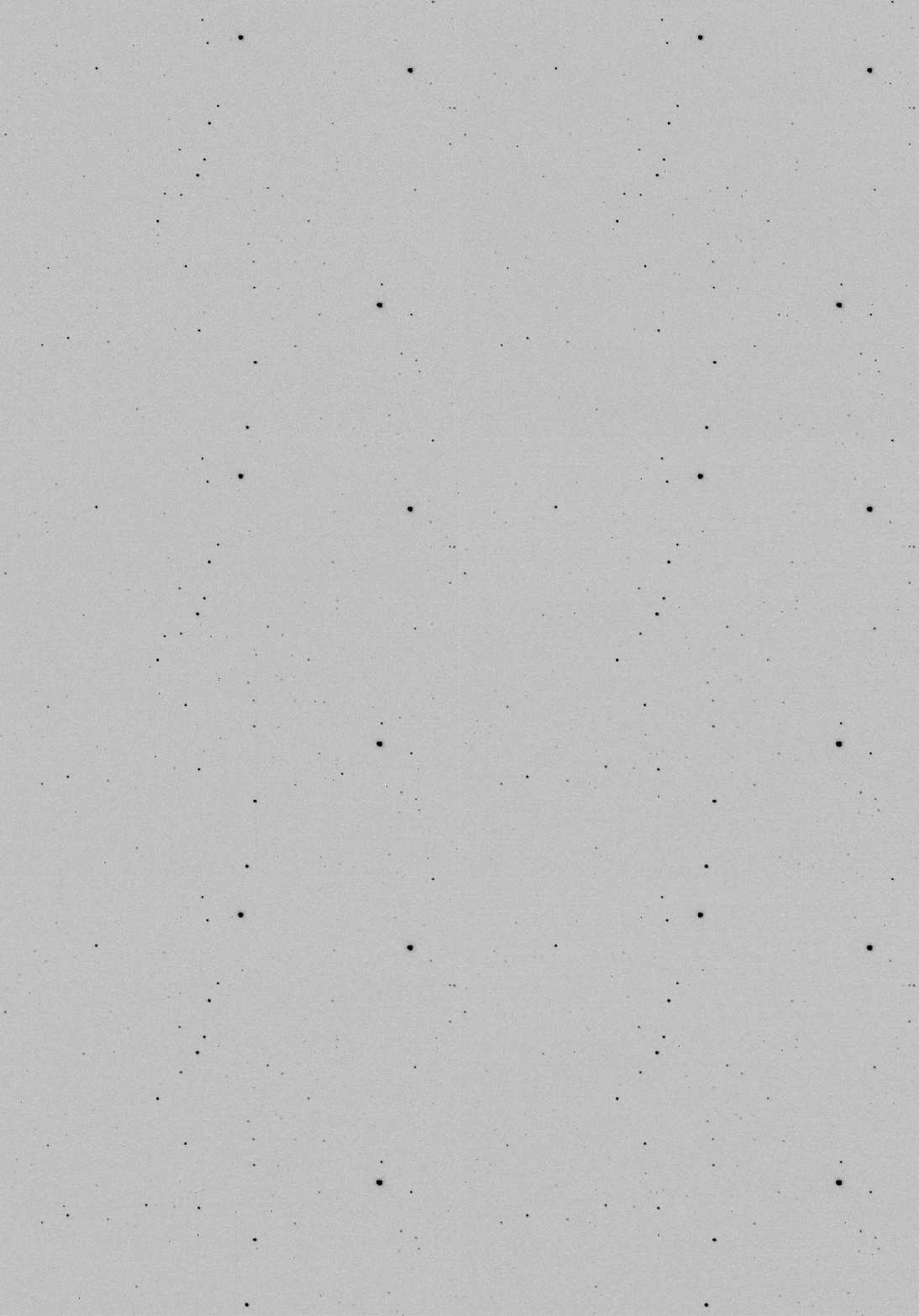
Minor Planet 783 Nora
There is an excellent opportunity coming up to see a total lunar eclipse this September… in just a few weeks! Plan now! This one is visible from western Europe, Africa and the Americas. Eclipse timings here:
Lunar Eclipse Timing (all times UT) September 27-28, 2015
So for those in the Eastern time zone which is still in EDT (daylight savings mode), the times are here below….
Lunar Eclipse Timing (all times EDT) September 27-28, 2015 below:
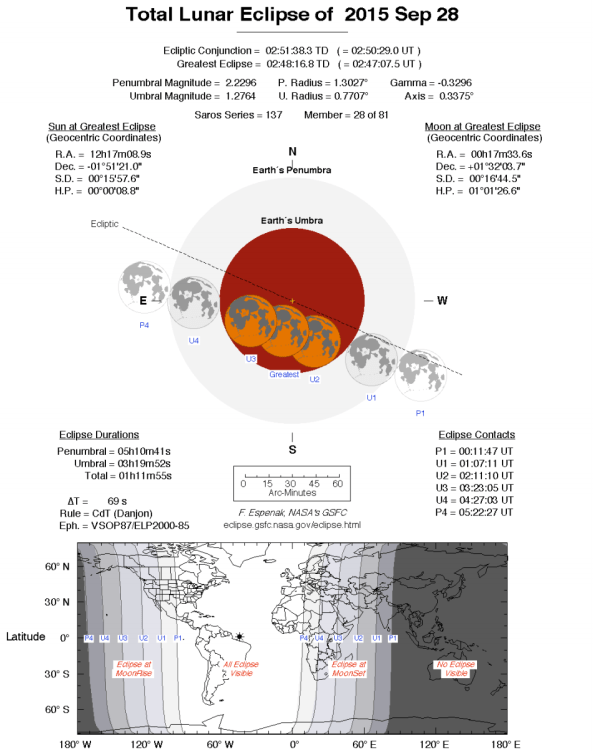
September 2015 Lunar Eclipse (courtesy NASA)
School might get out in June, but the Observatory is a buzzing place with all sorts of activities while the students are away. The primary charge for us is completing the cleaning and maintenance work that needs to be done to keep all the equipment in top working order. This year, we also received a new optical tube assembly for the Kurtz Dome, necessitating some serious lifting and alignment procedures. Here is the list of activities done this summer to date (summer is not over just yet!):
The observatory took delivery of a new 16″ f/8 ACF Schmidt-Cassegrain telescope this summer. It has been installed, collimated and tested out on a recent clear night. This telescope joins the list of instruments available for swap in the Kurtz Dome. With a 16″ aperture, it has the largest light gathering power of all the instruments at the observatory and also the highest resolving power. We cannot wait until Saturn and Jupiter are in our skies! Stay tuned for information about open houses and other observing opportunities. http://www.twitter.com/PEA_Obs

The new 16″ telescope just after installation with Dr. Ward and Dr. Adams.
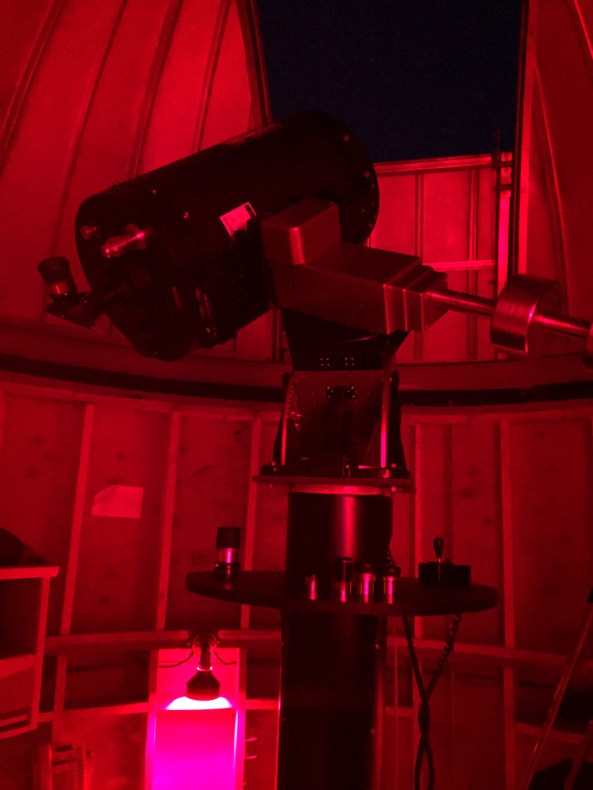
On the evening of the 16″ first light. We were able to enjoy nice views of M-16, M-13, M-57 and more.
Conference image of the Eagle Nebula, M-16 in H-alpha: RCOS 10″ with STL-6303 ten minutes. Images stacked, deconvolved and contrast enhancement all done in MaxIm DL.

What a marvelous week this has been! We had 13 visiting educators here for detailed discussions and hands-on learning about astronomy, astronomy education, technology and methods…. all excellent!
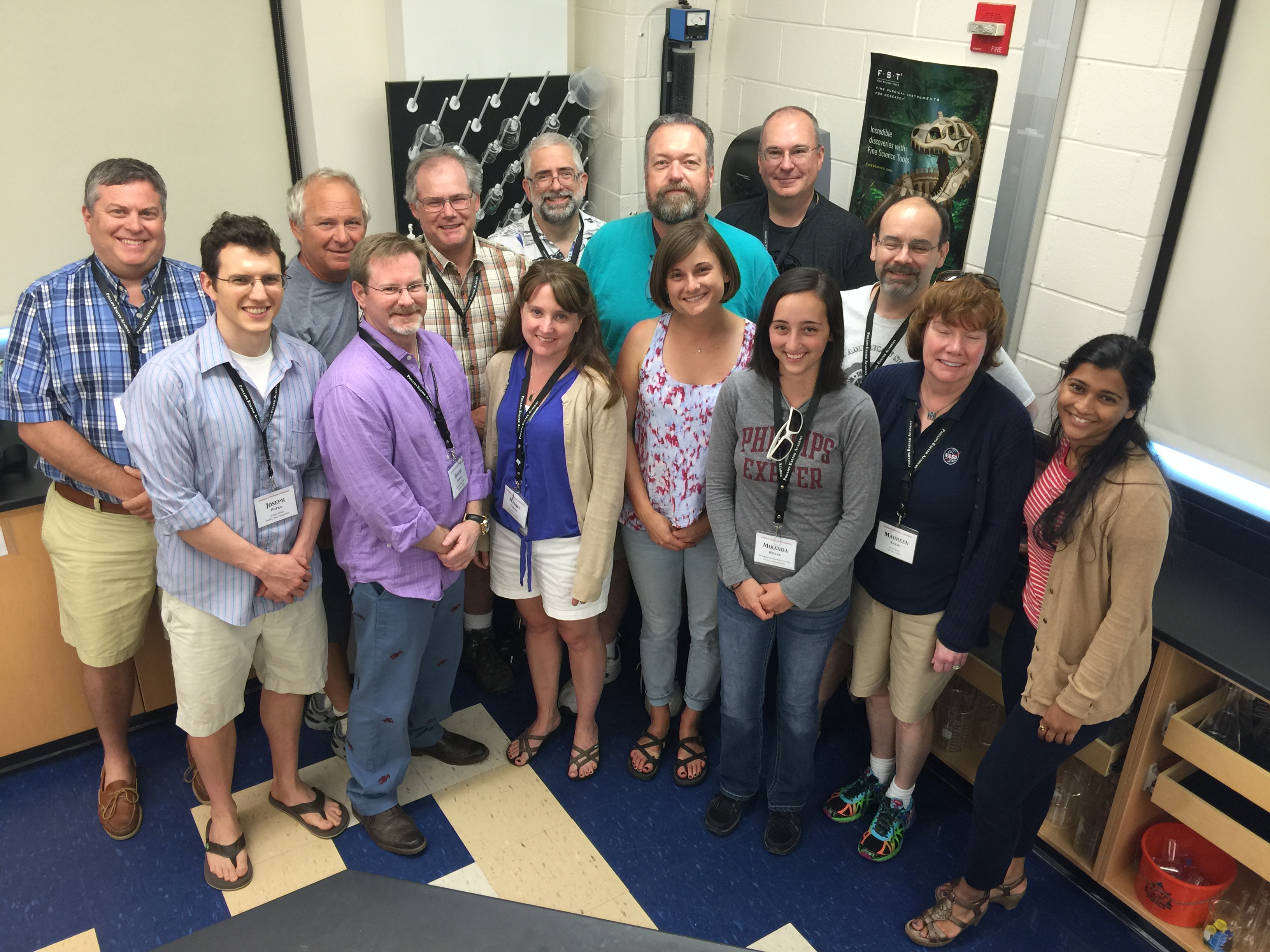
Left to right, back row: Ben Moss, Peter Pitman, Brad Vietje, Joseph Acker, Tom Rutherford, John Blackwell, James Dickens. Front row: Joseph Putko, David Temple, Wendy Curtis, Faith Tucker, Miranda Heller, Maureen Adams, Anisha Vinod.
Taken during our Astronomy Education Conference this last week… this is an RGB shot of the Ring Nebuka, M57 taken through the RCOS-10 at prime focus with an STL-6303 imager. 8:8:8 minutes per filter, color stacked and cropped in MaxIm DL.


